
THE NEED
Small farms are the heart of healthy communities, and the core of sustainable food systems, but are often faced with systemic challenges.
Land, Labor, and Infrastructure
Climate Change
Policy and “The True Cost of Food”
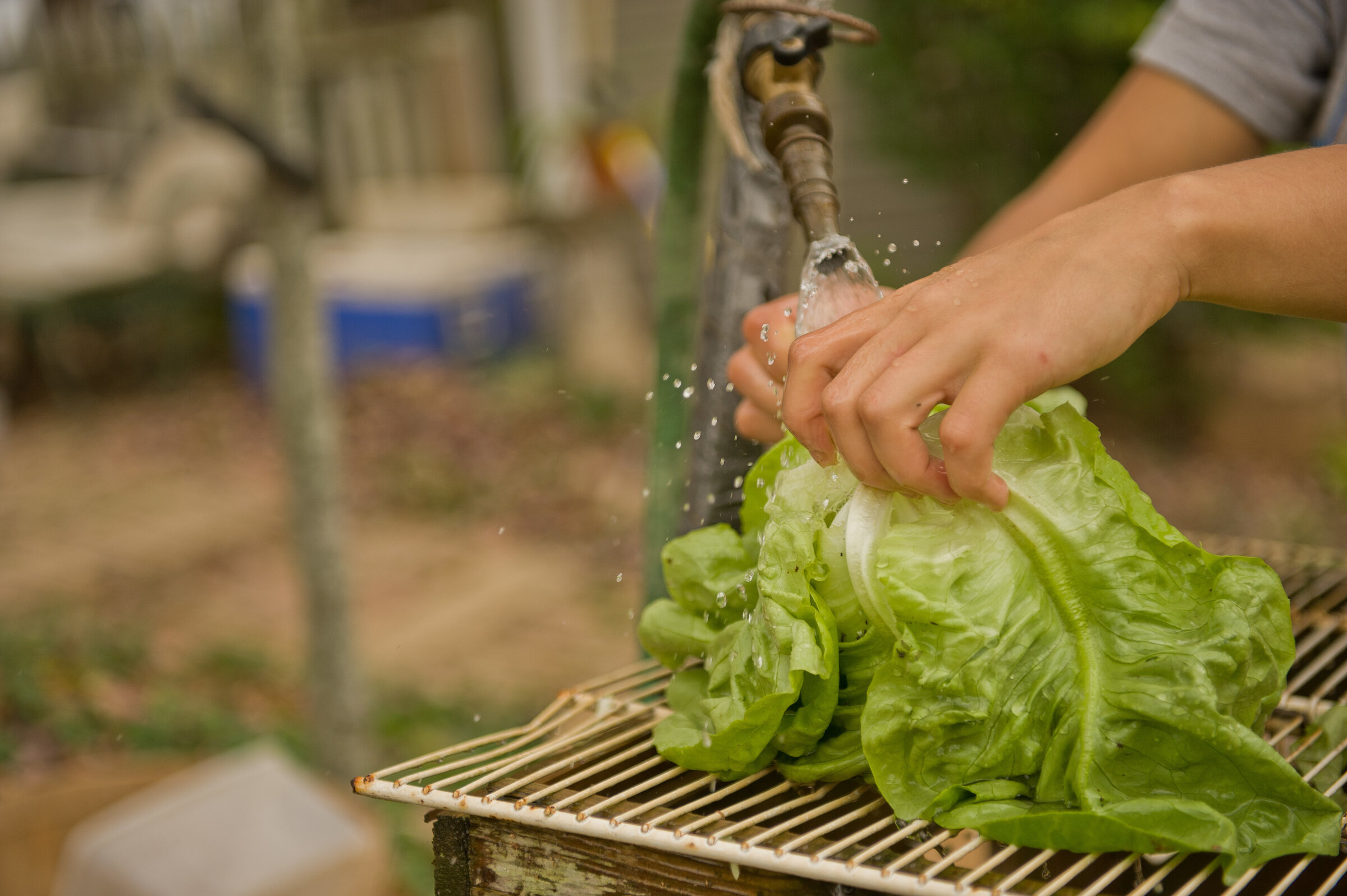
Equitable access to land, farming resources, and funding have been barriers for farmers of color and historically marginalized farmers. With Montgomery County’s high cost of living and affordable housing shortage, finding and retaining farm workers for labor intensive fruit and vegetable farms has been a challenge.
For small farms, reliable sales channels are difficult to access because of smaller production volumes. This challenges is intensified because of the lack of agricultural infrastructure such as local aggregation hubs linked to a regional food system network. Local aggregation and processing facilities lower cost barriers and lead to opportunities to access institutional buyers.
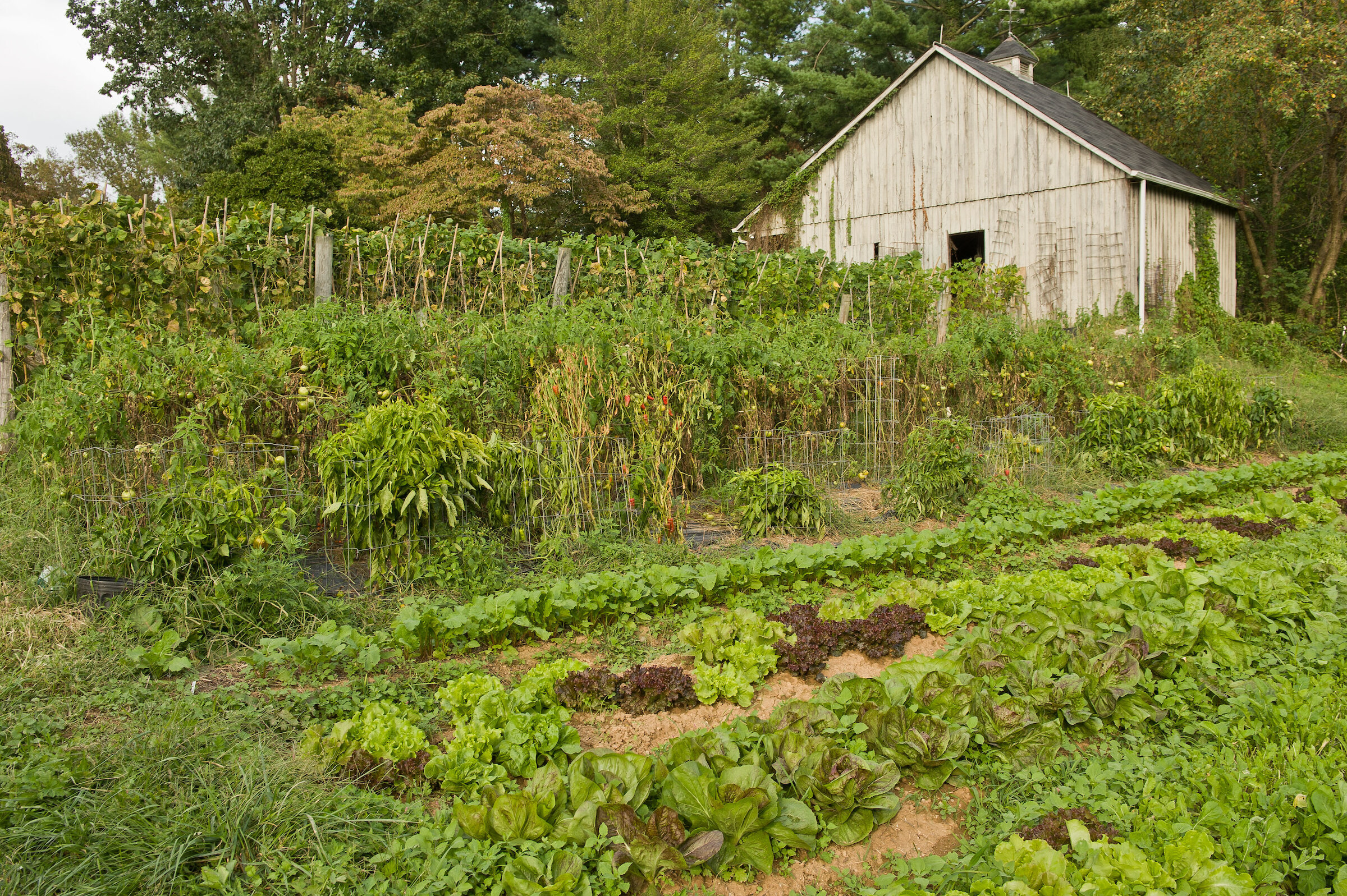
Crop yields have declined due to extreme weather patterns, storms, droughts and floods, while supply chain risks from disruption in a global food system have increased. Greenhouse gases increase and global temperatures rise in part from industrial agricultural practices.
While some programs and investments have been made to support climate change adaptation and mitigation strategies in food production, we are far away from sufficient solutions to these challenges.
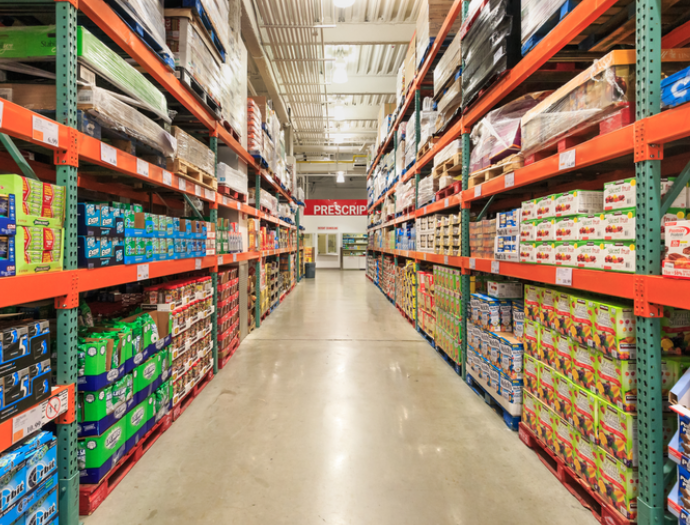
Our industrial food system includes huge “hidden costs” from its impact on human health, the environment, and social and economic inequity.
In 2019, American consumers spent an estimated $1.1 trillion on food. That price tag includes the cost of producing, processing, retailing, and wholesaling the food we buy and eat. It does not include the cost of healthcare for the millions who fall ill with diet-related diseases. Nor does $1.1 trillion include the present and future costs of the food system’s contributions to water and air pollution, reduced biodiversity, or greenhouse gas emissions, which cause climate change. (Rockefeller Foundation, 2021)
Large farms growing exclusively commodity crops like corn, wheat, and soy often receive subsidies and other financial supports from the government through the Farm Bill that small farmers growing “specialty” crops don’t qualify for.